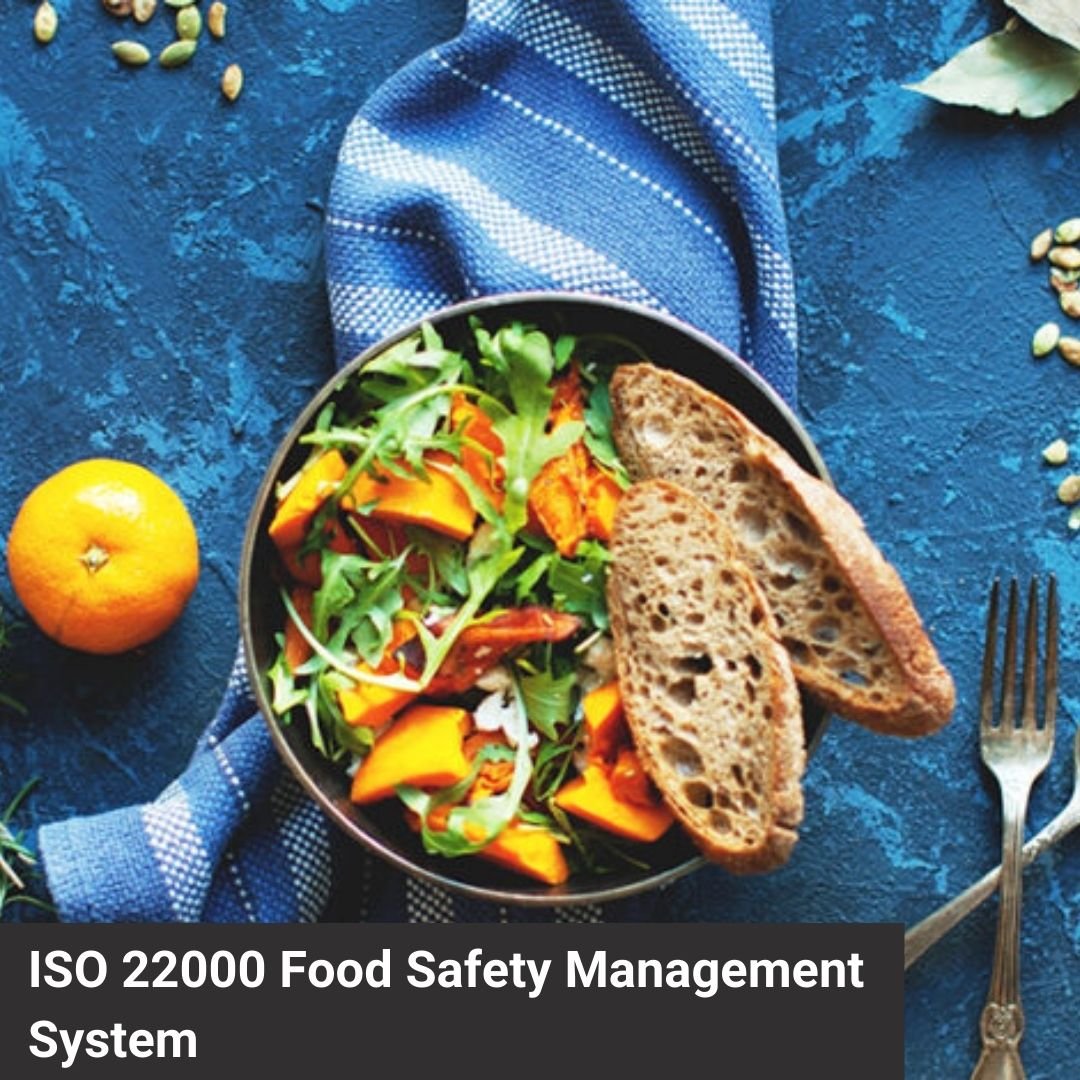
In the 20th century, humanity saw unprecedented socio-economic changes as well as scientific and technological advances. These factors impacted, among others, how food is produced, processed, and marketed: countries enacted food safety laws, companies began to use scientific methods to make food safer, technology allowed better packaging and quality assurance, and public awareness increased dramatically. Overall, food became safer and more nutritious.
Yet, in the 21st century many challenges remain. According to WHO estimates, 600 million people become sick and 420,000 die each year from unsafe food. Globalization and complex supply chains make controls and traceability more difficult. Climate change is likely to present direct and indirect challenges to food safety. In all of this, food producers will have to overcome new challenges and meet new expectations. However, they are not alone: ISO 22000 is here to help them fulfill their responsibility of ensuring the safety of their products and the well-being of their consumers.
A food safety management system (FSMS) based on ISO 22000 not only can improve a food producer’s measures against foodborne illnesses and diseases, it can also improve their credibility and increase customer awareness on food safety.
What is ISO 22000?
ISO 22000 is an international standard that specifies requirements for a food safety management system. An FSMS based on ISO 22000 gives food producers a structured approach and necessary mechanisms to manage the safety of their products and services. As part of the FSMS, ISO 22000 requires the establishment of effective communication with interested parties, implementing a risk-based approach, establishing and maintaining prerequisite programs, hazard control plans (OPRPs and CCPs), monitoring the performance of FSMS and food safety, and seeking and realizing continual improvement opportunities.
ISO 22000 adopts a process approach which integrates the plan-do-check-act (PDCA) cycle and risk-based thinking at organizational and operational levels. Organizations seeking to implement an FSMS based on ISO 22000 must establish a food safety policy and set the food safety objectives. The policy and objectives must be established by the top management, and a traceability system should be implemented to trace the products through the supply chain.
The requirements of ISO 22000 are generic and applicable to all organizations in the food chain, regardless of their size or complexity. ISO 22000 is developed according to the High-Level Structure (HLS), as such it is aligned with other ISO management system standards. This allows organizations to integrate an FSMS with other management systems such as a QMS based on ISO 9001, an EMS based on ISO 14001, etc. In addition, ISO 22000 encourages organizations to align with other guidelines, specifications, or requirements related to food safety or to specific food sectors which can further contribute to achieve the food safety objectives.
Benefits of ISO 22000 for food producers
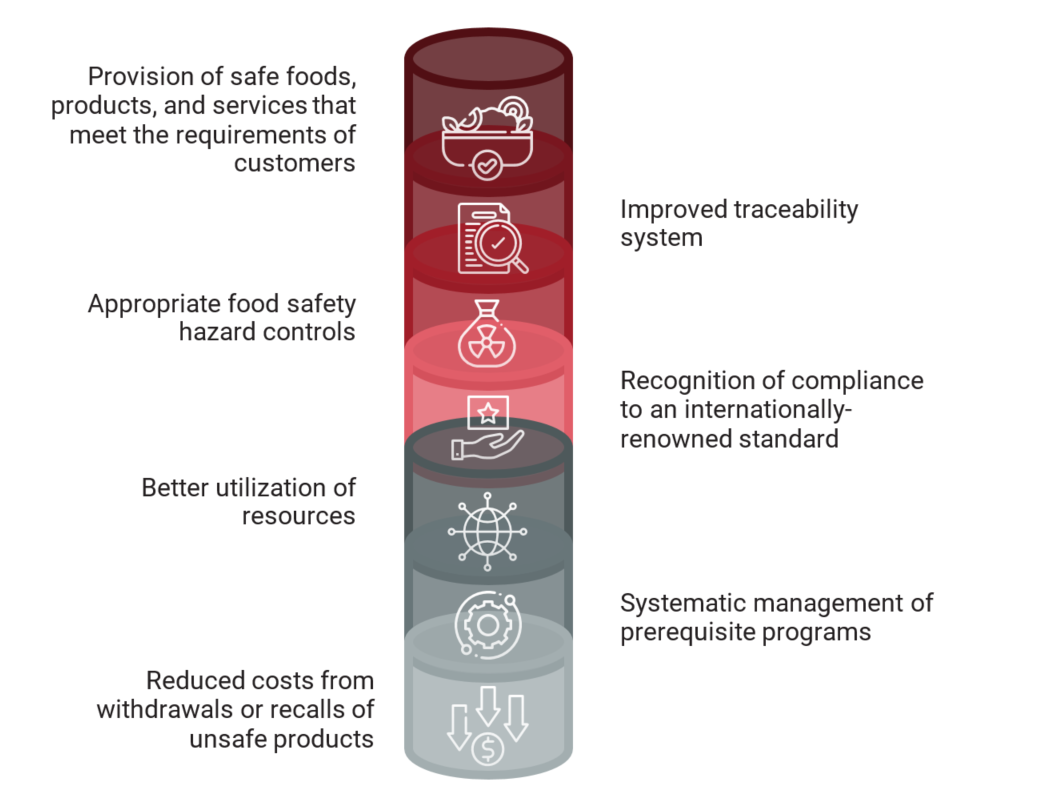
The implementation of an FSMS can be highly beneficial for food producers that seek to improve their food safety performance. It ensures the application of adequate controls and procedures to ensure food safety.
An effective FSMS based on ISO 22000
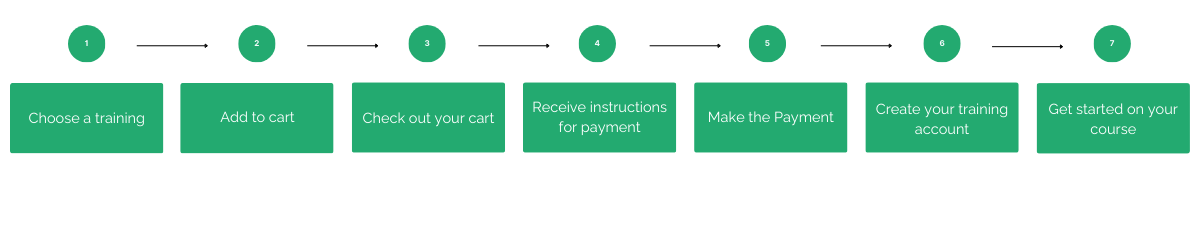
How to get started with this training?
$ 450,00 – $ 1.250,00Price range: $ 450,00 through $ 1.250,00
$ 450,00 – $ 1.250,00Price range: $ 450,00 through $ 1.250,00
In the 20th century, humanity saw unprecedented socio-economic changes as well as scientific and technological advances. These factors impacted, among others, how food is produced, processed, and marketed: countries enacted food safety laws, companies began to use scientific methods to make food safer, technology allowed better packaging and quality assurance, and public awareness increased dramatically. Overall, food became safer and more nutritious.
Yet, in the 21st century many challenges remain. According to WHO estimates, 600 million people become sick and 420,000 die each year from unsafe food. Globalization and complex supply chains make controls and traceability more difficult. Climate change is likely to present direct and indirect challenges to food safety. In all of this, food producers will have to overcome new challenges and meet new expectations. However, they are not alone: ISO 22000 is here to help them fulfill their responsibility of ensuring the safety of their products and the well-being of their consumers.
A food safety management system (FSMS) based on ISO 22000 not only can improve a food producer’s measures against foodborne illnesses and diseases, it can also improve their credibility and increase customer awareness on food safety.
What is ISO 22000?
ISO 22000 is an international standard that specifies requirements for a food safety management system. An FSMS based on ISO 22000 gives food producers a structured approach and necessary mechanisms to manage the safety of their products and services. As part of the FSMS, ISO 22000 requires the establishment of effective communication with interested parties, implementing a risk-based approach, establishing and maintaining prerequisite programs, hazard control plans (OPRPs and CCPs), monitoring the performance of FSMS and food safety, and seeking and realizing continual improvement opportunities.
ISO 22000 adopts a process approach which integrates the plan-do-check-act (PDCA) cycle and risk-based thinking at organizational and operational levels. Organizations seeking to implement an FSMS based on ISO 22000 must establish a food safety policy and set the food safety objectives. The policy and objectives must be established by the top management, and a traceability system should be implemented to trace the products through the supply chain.
The requirements of ISO 22000 are generic and applicable to all organizations in the food chain, regardless of their size or complexity. ISO 22000 is developed according to the High-Level Structure (HLS), as such it is aligned with other ISO management system standards. This allows organizations to integrate an FSMS with other management systems such as a QMS based on ISO 9001, an EMS based on ISO 14001, etc. In addition, ISO 22000 encourages organizations to align with other guidelines, specifications, or requirements related to food safety or to specific food sectors which can further contribute to achieve the food safety objectives.
Benefits of ISO 22000 for food producers
The implementation of an FSMS can be highly beneficial for food producers that seek to improve their food safety performance. It ensures the application of adequate controls and procedures to ensure food safety.
An effective FSMS based on ISO 22000
How to get started with this training?